La respuesta: automatizar preparación de diagnóstico antes de resolución autonoma
Los agentes de soporte con IA crecen rapido, pero los casos complejos todavía necesitan juicio humano. Un flujo de nivel 2 debe reunir registros técnicos, contexto de cuenta, historial de pedidos, datos de dispositivo, capturas, respuestas previas, matches con incidentes conocidos e impacto al cliente antes de que el especialista abra el caso.
La intención de compra es práctica: operaciones de soporte, CX y soporte técnico quieren menos retrabajo de escalación, menor tiempo a resolución, mejores actualizaciones al cliente y traspasos más limpios. No quieren un chatbot cerrando casos complejos con evidencia debil.
Flujo concreto para implementar primero
- Intake de caso: clasificar producto, severidad, segmento de cliente, canal, sentimiento, acuerdo de servicio, valor de cuenta y sintoma reportado.
- Recuperación de evidencia: traer historial de caso, datos CRM, pedidos, registros técnicos de producto, eventos de error, capturas, adjuntos y artículos de conocimiento.
- Match con problemas conocidos: comparar sintomas contra incidentes, release notes, casos previos, defects y pasos de troubleshooting aprobados.
- Prompts de datos faltantes: pedir al cliente o tier 1 identificadores, timestamps, dispositivo, pasos de reproduccion o autorizacion.
- Paquete de escalación: crear resumen para especialista con impacto, línea de tiempo, fixes intentados, causa probable, confianza, fuentes y siguiente prueba.
- Escritura: actualizar caso, CRM, Jira, borrador de comunicación al cliente y rastro QA sin tomar acciones destructivas.
Panorama competitivo
- 01
Zendesk AI
Agentes de IA y automatización de servicioZendesk posiciona agentes de IA, respuestas sugeridas, hallazgos y acciones aprobadas por agentes en interacciones de cliente y empleado.
- Mejor para
- Equipos que ya corren soporte en Zendesk y buscan automatizar trabajo de alto volumen.
- Nota
- Para nivel 2, evalua como evidencia de registros técnicos, pedidos y herramientas de ingenieria llega a especialistas.
- 02
Salesforce Agentforce for Service
Servicio al cliente con nativa en IA CRMSalesforce posiciona Agentforce alrededor de respuestas, resúmenes, artículos y datos confiables de CRM dentro de Service Cloud.
- Mejor para
- Equipos de servicio estandarizados en Salesforce para datos de cliente y casos.
- Nota
- Los compradores deben verificar grounding, calidad de traspaso y recoleccion de evidencia técnica fuera de Salesforce.
- 03
Intercom Fin
Agente IA de soporteIntercom describe Fin como agente de IA para customer service con controles de escalación, manejo de contexto y reporting de performance.
- Mejor para
- Equipos digitales que quieren autoservicio IA y escalación estructurada dentro de Intercom.
- Nota
- Equipos nivel 2 deben validar si Fin arma evidencia entre registros técnicos, ERP, CRM y herramientas de ingenieria, no solo contexto conversacional.
Modelo operativo, gobierno y métricas
- Modelo operativo: separar soporte en resolución autonoma, tier 1 asistido, tier 2 con evidencia primero y casos humanos de alto riesgo.
- Gobierno: bloquear acciones destructivas, exigir enlaces de fuente para diagnosticos, versionar guías operativas y pedir firma humana en causa raiz.
- Métricas: completitud de escalación, retrabajo experto, datos faltantes, tiempo a primer diagnóstico útil, reaperturas, recuperación de acuerdo de servicio, CSAT después de escalación y calidad de desvío.
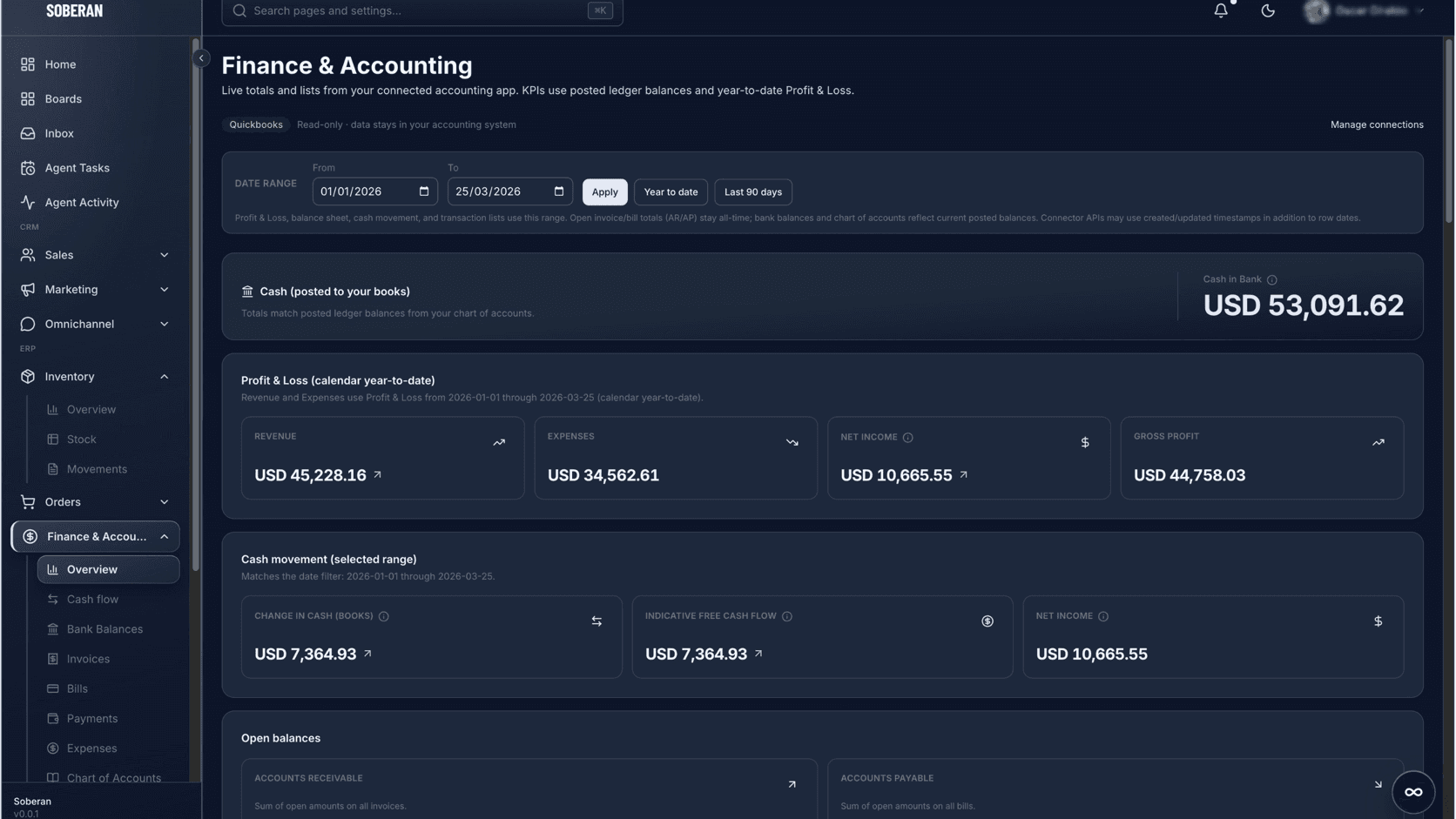
- Cómo encaja SOBERAN: SOBERAN conecta casos, CRM, ERP, registros técnicos, base de conocimiento y sistemas especialistas para preparar evidencia, asignar responsable y mantener actualizaciones consistentes.
- Enlaces internos prioritarios: /automate/tier-2-technical-support, /automate/chat-correo-support, /automate/entrante-phone-support, /contact-center y /how-it-works.
Fuentes y señales de tendencia
- McKinsey: mezcla correcta de humanos e IA en centros de contactoMcKinsey plantea customer care como balance entre IA y soporte humano, especialmente cuando necesidades complejas llevan a canales asistidos.
- McKinsey: líderes de customer care avanzan con IAMcKinsey destaca automatización de flujos, recuperación de conocimiento, QA y autoservicio como capacidades fundacionales.
- Gartner: prediccion de IA agéntica en servicio al clienteGartner predice que IA agéntica resolvera una gran parte de problemas comunes para 2029, reforzando la necesidad de definir casos humanos.
- Zendesk AI for customer servicePágina oficial usada para verificar agentes de IA, respuestas sugeridas, hallazgos y acciones aprobadas.
- automatización de soporte técnico nivel 2 de SOBERANPágina interna de caso de uso para escalación evidence-first, diagnosticos sugeridos y asignación experto.