ERP SoftwareModule06 / 11
Procurement that follows the signal, not the inbox
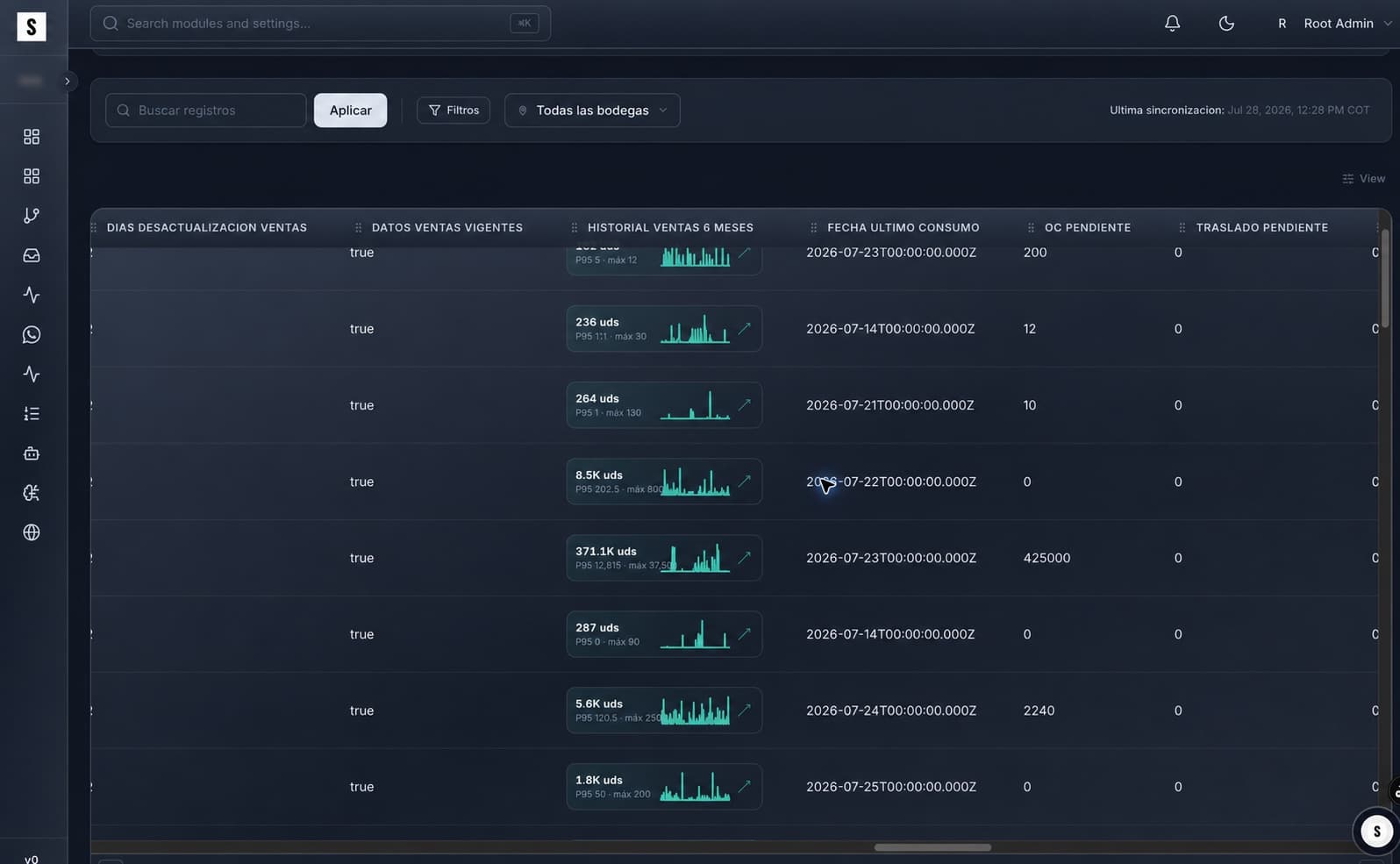
Turn replenishment needs into governed buying workflows - with supplier context, lead times, and auditability built in.
 ERP Software / 06
Operational coverage
The work your team can stop coordinating by hand.
Buyers drown in email approvals when systems do not reflect operational urgency. This module helps teams purchase with the same data planners and warehouse staff already use.
Governed requisition-to-PO flows with supplier and lead-time context
Performance history that informs negotiation and allocation decisions
Tighter coupling between planned need and actual buying actions
Audit-friendly trails for approvers and finance reviewers
Operational impact
Results teams can feel in the operation.
SOBERAN ships in English and Spanish with implementation playbooks focused on the United States and Latin America. Scoped module rollouts commonly target first value in about 30 days depending on integrations and data readiness.
- 01
Faster cycle times from need identification to PO
- 02
Better supplier accountability with structured history
- 03
Fewer emergency buys from disconnected spreadsheets
Why now
Make every purchase explainable and governed.
As volume grows, manual handoffs stop scaling.
Before you decide
Frequently asked questions
01Does it support approvals and budgets?
Workflow controls are part of typical deployments so purchasing stays compliant with your delegation of authority.
02Can we integrate supplier catalogs?
Integration patterns depend on supplier sophistication; we prioritize the suppliers that drive most of your spend first.
03How does freight tie in?
Procurement decisions often interact with freight and inbound timing. SOBERAN's Freight module and inventory policies help close that loop.
04Is this only for manufacturing?
No - retail, distribution, and branded goods companies with import-heavy supply chains benefit equally.
05How does Procurement connect to Production and Inventory?
Shortages surfaced by manufacturing or stock policies become actionable buying work in the same platform - reducing email-driven expedites and duplicate requests.
06Is Procurement that follows the signal, not the inbox only software or also a managed service?
SOBERAN combines software, agent services, and human oversight. In Procurement that follows the signal, not the inbox, the software layer keeps data, policies, and audit trails aligned; the SOBERAN Agent prepares and executes routine work; and your team approves exceptions, spend, policy changes, and sensitive decisions.
Bring it to your operation
See ERP Software working with your data and policies.
In 30 minutes, we will walk through the workflow, required integrations, and where human approval stays in control.
Book a demo